
 Save
Save
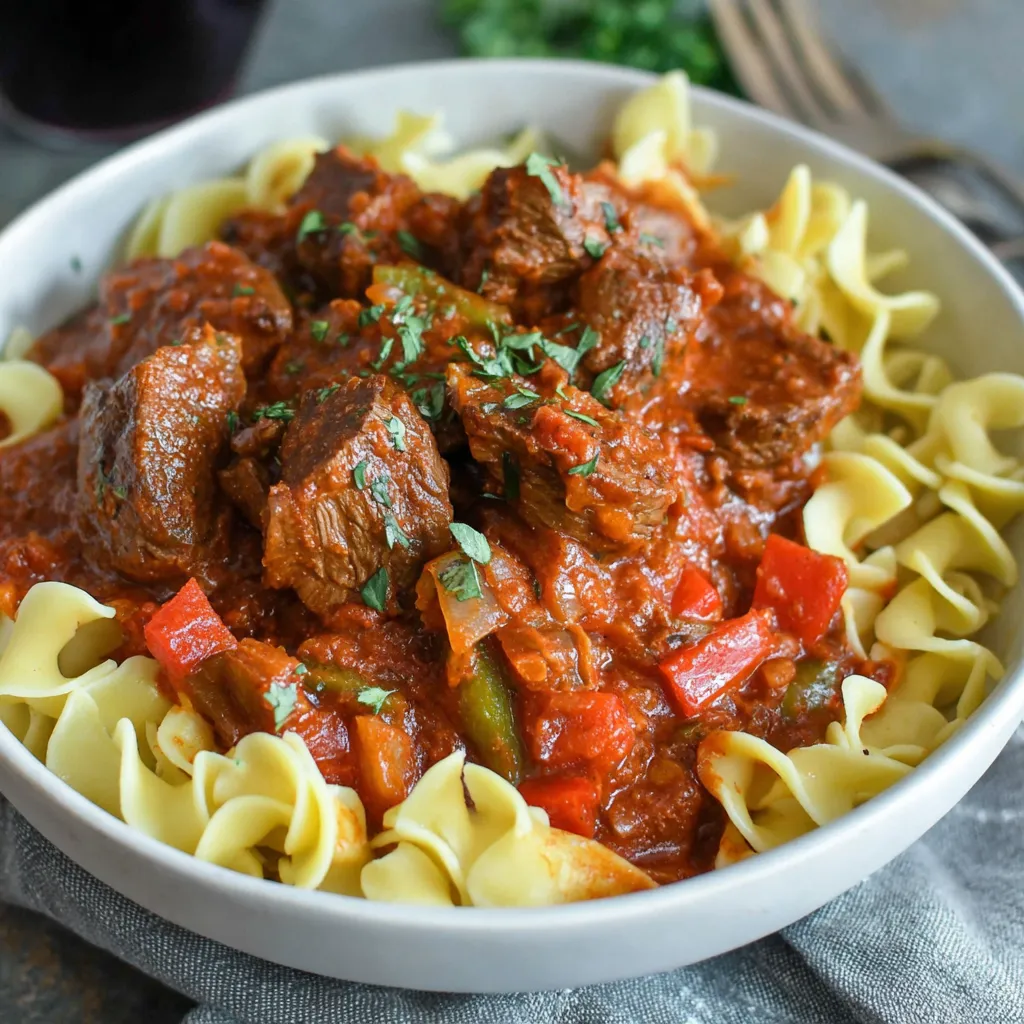
This Beef Paprikash brings the rich flavors and comforting warmth of Hungarian kitchens right into your home. Packed with tender beef, sweet peppers and a generous dose of sweet paprika, it is the perfect dinner when fall and winter roll in and you crave something soul-satisfying. Serve it bubbling hot over egg noodles, mashed potatoes or rice and shower with fresh dill or parsley for that extra special touch.
I still remember the first time I ladled this into bowls on a frosty weekend. The way the sauce clings to noodles and how the kitchen fills with toasty spice makes this a most-requested meal each season.
Ingredients
- Beef chuck roast: cubed for melt-in-your-mouth texture choose marbled pieces for best results
- Salt and pepper: for seasoning and bringing out the meat’s depth
- All purpose flour: helps brown the beef and later thickens the sauce look for unbleached flour
- Olive oil: rich flavor and perfect for searing beef opt for extra virgin if possible
- Onion: diced for savory sweetness a yellow onion works well
- Red bell pepper: sweet mild flavor adds color pick a firm shiny pepper
- Green bell pepper: brings a little earthy bitterness choose one with glossy skin
- Garlic: minced for aromatic punch fresh cloves give the most flavor
- Sweet paprika: the star ingredient opt for good quality Hungarian sweet paprika for authentic taste
- Dried oregano: herbal layer for depth
- Caraway seeds: lightly crushed for subtle anise warmth buy whole seeds and crush just before adding
- Crushed tomatoes: add body and a touch of acidity use a quality canned tomato with no added sugar
- Beef broth: intense flavor background low sodium lets you control salt
- Bay leaf: classic background aroma
- Optional toppings: sour cream for creaminess fresh dill or parsley for brightness choose whole herb bunches for freshest taste
Step-by-Step Instructions
- Prep and Season the Beef:
- Pat beef chuck cubes dry before tossing with salt pepper and flour in a wide bowl. This coating helps you achieve an even golden sear and sets the base for a rich sauce.
- Brown the Beef:
- Heat olive oil in your Dutch oven until shimmering. Add beef cubes in a single layer spaced out so they are not crowded. Let them cook undisturbed for a minute on each side over medium high to high heat. Sear in batches for consistent browning. Remove browned pieces to a plate.
- Sauté the Vegetables:
- Drizzle in more olive oil if the pan looks dry. Lower heat to medium and add diced onion stirring and scraping up any beefy bits. Cook for three to five minutes until translucent and fragrant. Next stir in finely diced red and green peppers along with minced garlic cooking until the peppers are just softened and the whole pan smells sweet and inviting.
- Toast the Spices:
- Add the sweet paprika dried oregano and crushed caraway seeds directly over the softened vegetables. Stir continuously making sure every piece is fully coated and the spices release their fragrance about one minute.
- Deglaze and Simmer:
- Turn heat up to medium high and pour in crushed tomatoes. Add beef broth to loosen all the dark sticky goodness from the bottom of the pot. Nestle in the bay leaf and return the reserved browned beef and its resting juices. Stir to combine.
- Slow Cook to Tender Perfection:
- Cover tightly with a lid and reduce heat to low. Let it gently simmer for one hour to infuse the flavors. After an hour remove the lid and give everything a good stir. Raise heat slightly and simmer uncovered for another hour. Stir every so often to prevent sticking as the sauce reduces and the beef becomes fork tender.
- Finish and Serve:
- Turn off the heat. Taste and adjust salt as needed. Scoop Beef Paprikash over your choice of egg noodles mashed potatoes or rice and crown with a generous dollop of sour cream and a sprinkle of chopped fresh dill or parsley.
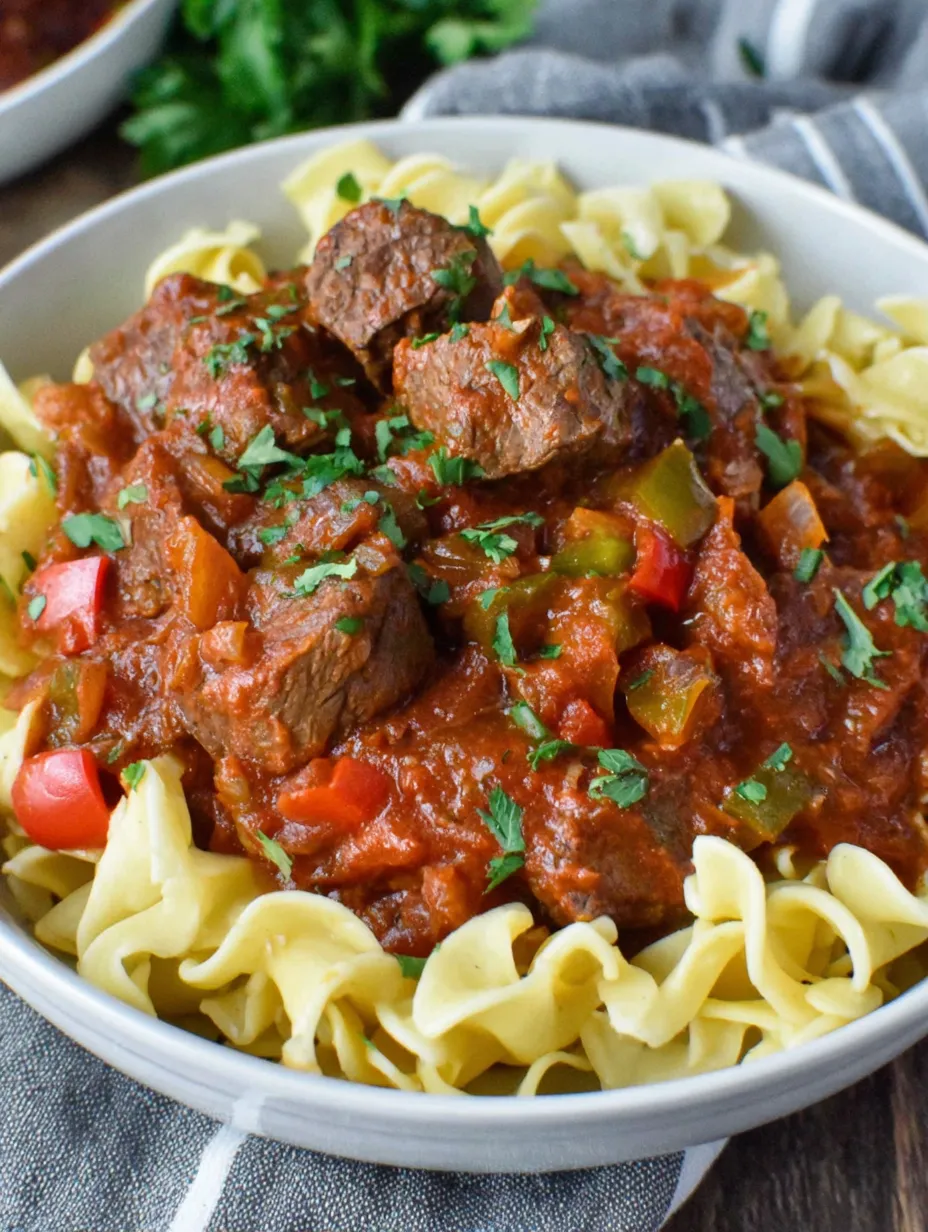
Honestly the sweet Hungarian paprika makes this dish so distinctive. I always bring back a tin from the international market. Watching my family reach for second helpings every time is the best reward and now even my picky eater asks for the leftover sauce.
Storage Tips
Once Beef Paprikash has cooled transfer it to airtight containers and store in the refrigerator for up to four days. For longer keeping freeze in meal-size portions up to three months. It tastes even better the next day once the flavors have melded. Reheat over low heat with a splash of water or broth to loosen.
Ingredient Substitutions
You can swap beef chuck with stewing beef or even boneless short ribs if you like a richer texture. For a lighter version use chicken thighs following the same steps. If all you have is regular paprika use that and add a touch of smoked paprika for depth.
Serving Suggestions
Classic egg noodles are traditional but I also love heaping this over creamy mashed potatoes or fluffy rice. Garnish with plenty of fresh herbs and do not skip the sour cream. Roasted root vegetables or a crisp cucumber salad round out the meal.
Cultural Note
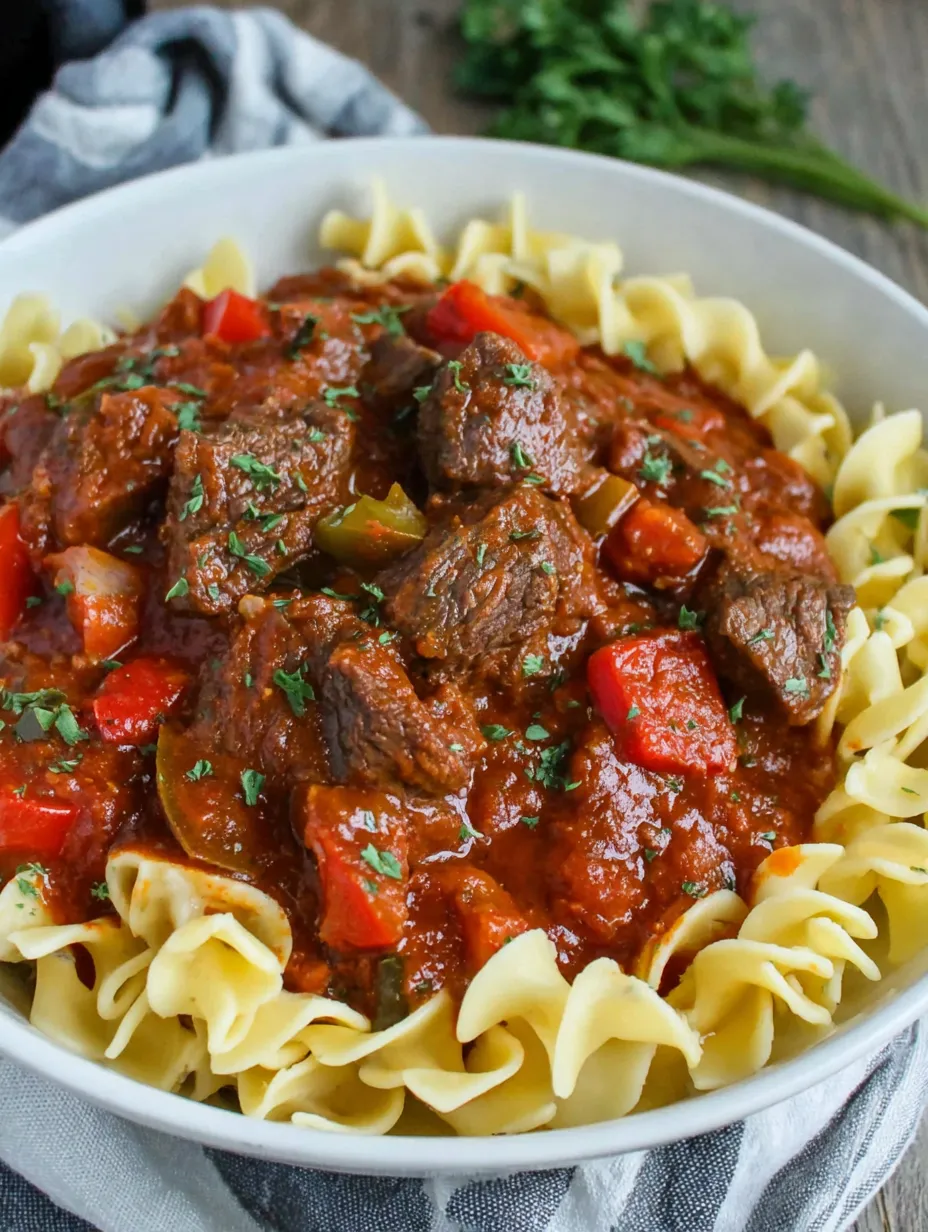
This recipe takes inspiration from Hungary where paprika reigns as the defining spice. Beef Paprikash is a cousin to goulash but with a creamier tomato rich base. Serving with sour cream is typical in Hungarian homes.
Recipe FAQs
- → What cut of beef works best for this dish?
Beef chuck roast is ideal due to its marbling, which breaks down during slow simmering, resulting in tender meat.
- → Can I use smoked paprika instead of sweet paprika?
Sweet Hungarian paprika offers traditional, mild flavor; smoked paprika gives a deeper, smokier profile if you prefer.
- → How should I serve this Hungarian beef dish?
It's traditionally served over egg noodles, but rice or mashed potatoes make excellent alternatives.
- → Is it necessary to add sour cream and fresh dill?
While optional, sour cream and dill brighten the robust flavors and lend a creamy, fresh touch to the finished dish.
- → Can I make this dish ahead of time?
Yes, flavors deepen overnight, making it a great make-ahead option. Simply reheat gently before serving.
- → What kitchen equipment is recommended?
A large Dutch oven delivers even heat and is ideal for browning and slow simmering the beef mixture.